


Admissions
xinwendongtai2.jpg xinwendongtai3.jpg

Latest News

News & Events

PSID Professional Development Days: Building Collective Capacity for Student Growth

Mar 05,2026

PSID Professional Development Days:

Building Collective Capacity for Student Growth

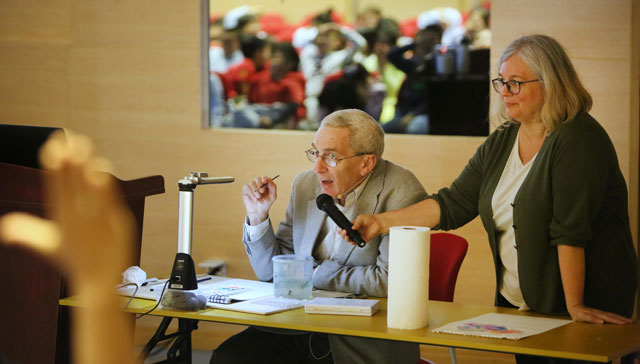
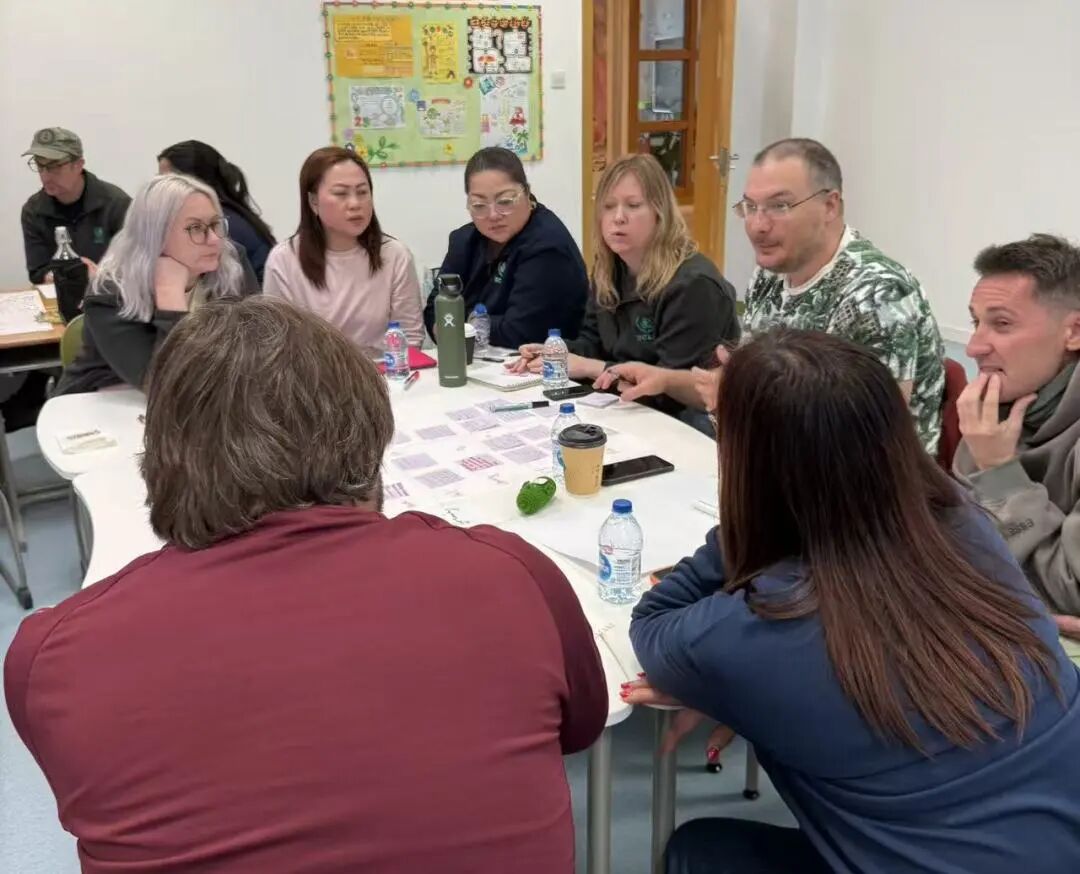
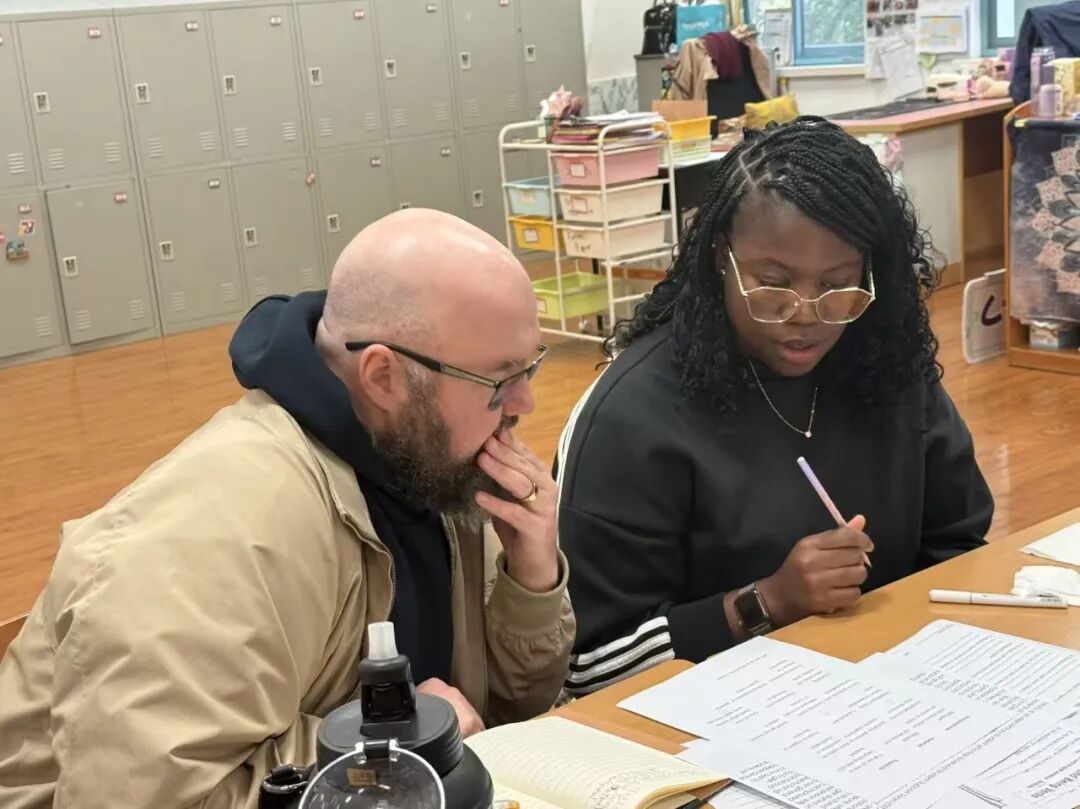
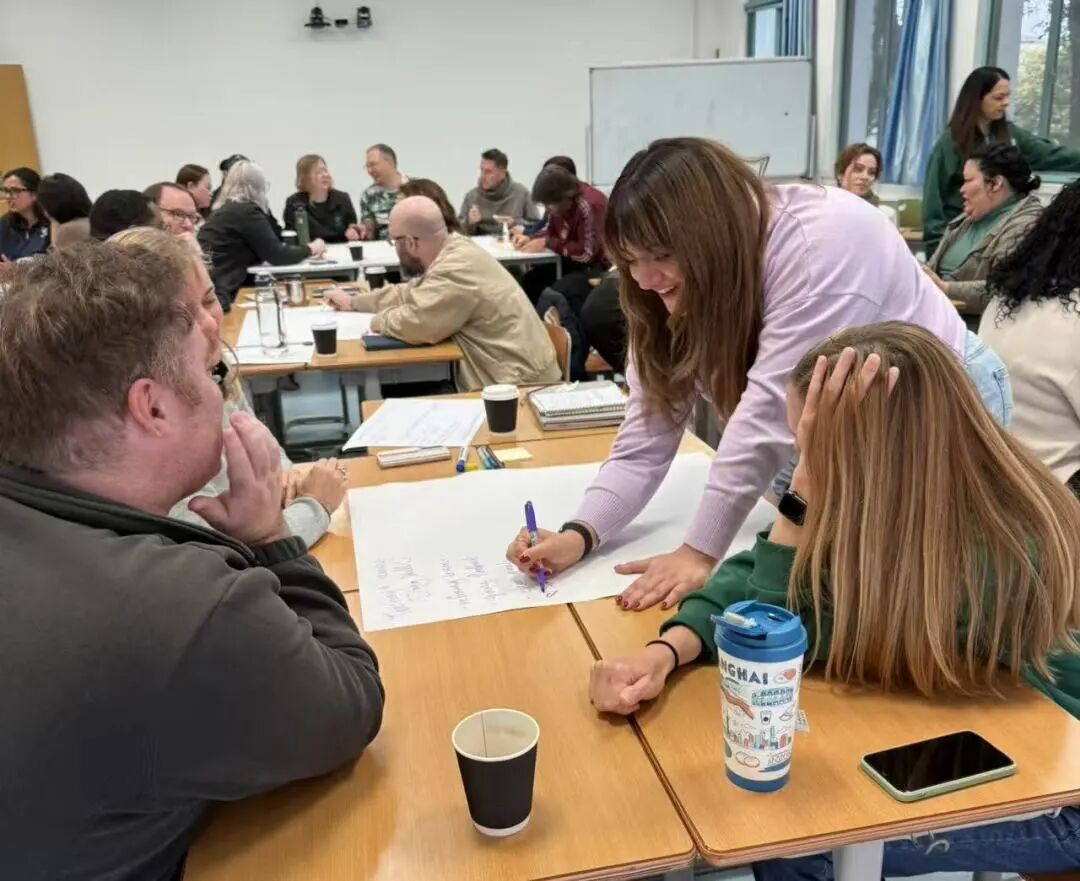
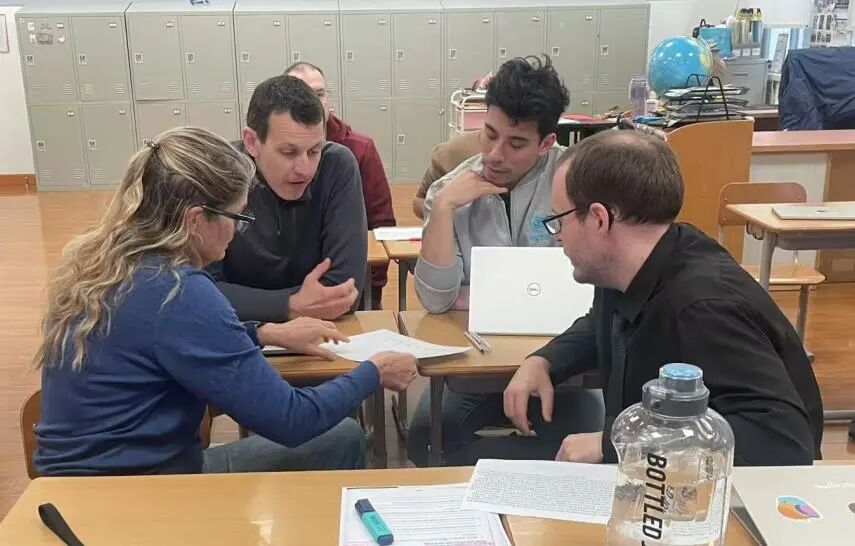
On February 26 and 27, our Primary teachers came together for two purposeful and energizing Professional Development Days ahead of Semester 2. These days reflected our shared commitment to collaborative inquiry, evidence-informed practice, and continuous improvement in service of student learning and holistic development.
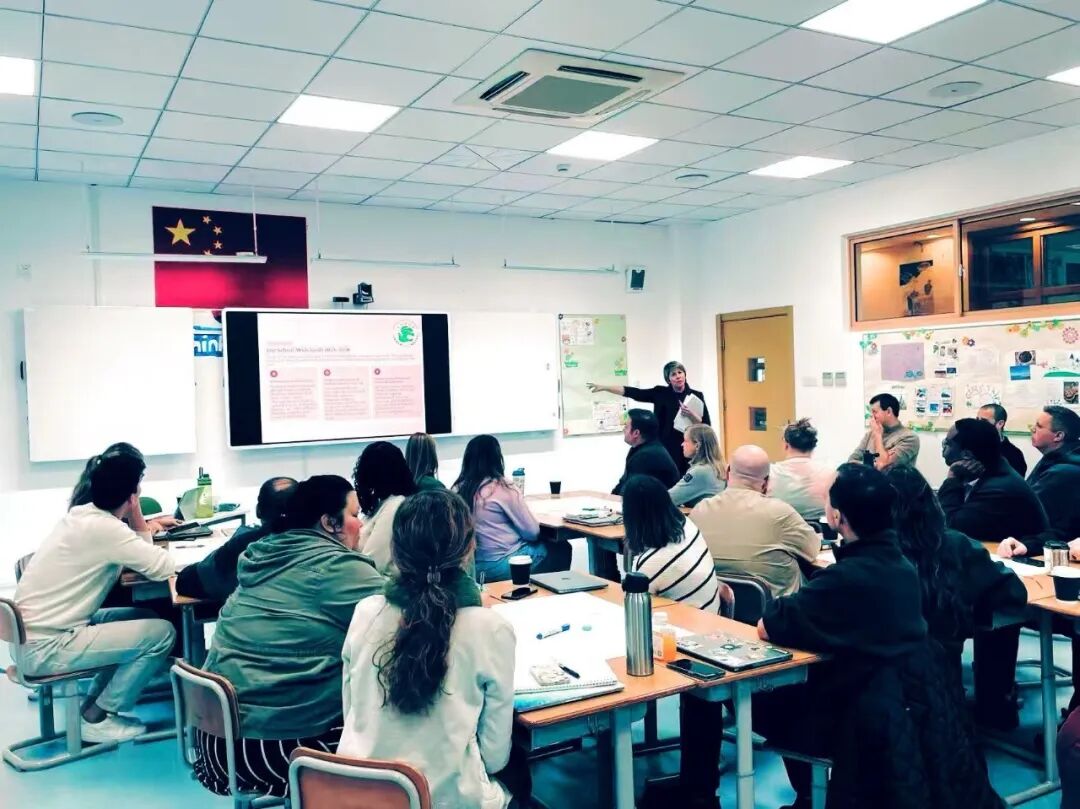


Research consistently demonstrates that when educators engage in focused collaboration, examine their collective impact, and refine practice together, student outcomes improve. Hattie (2009) identifies collective teacher efficacy as one of the strongest influences on student achievement. When teachers believe in their shared capacity to positively affect learning—and act intentionally on that belief—student growth accelerates.


Thursday: Curriculum Alignment, Feedback, and Classroom Support

Thursday centered on curriculum alignment and the strengthening of classroom practice. Research on a guaranteed and viable curriculum emphasizes that when learning goals are clearly defined, coherently sequenced, and collaboratively planned, students benefit from clarity, consistency, and equitable access to essential learning.


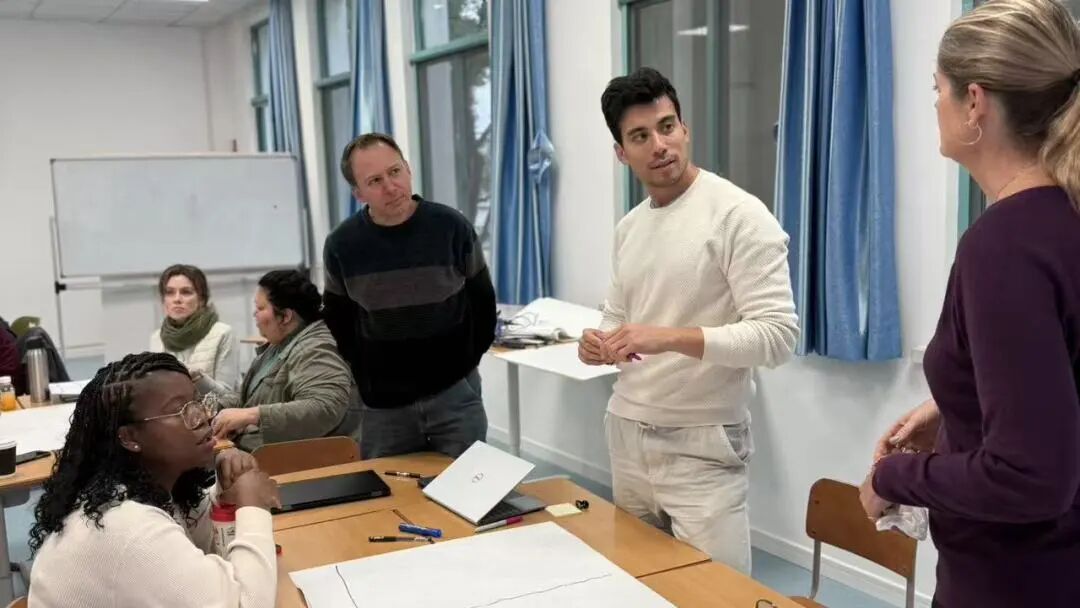
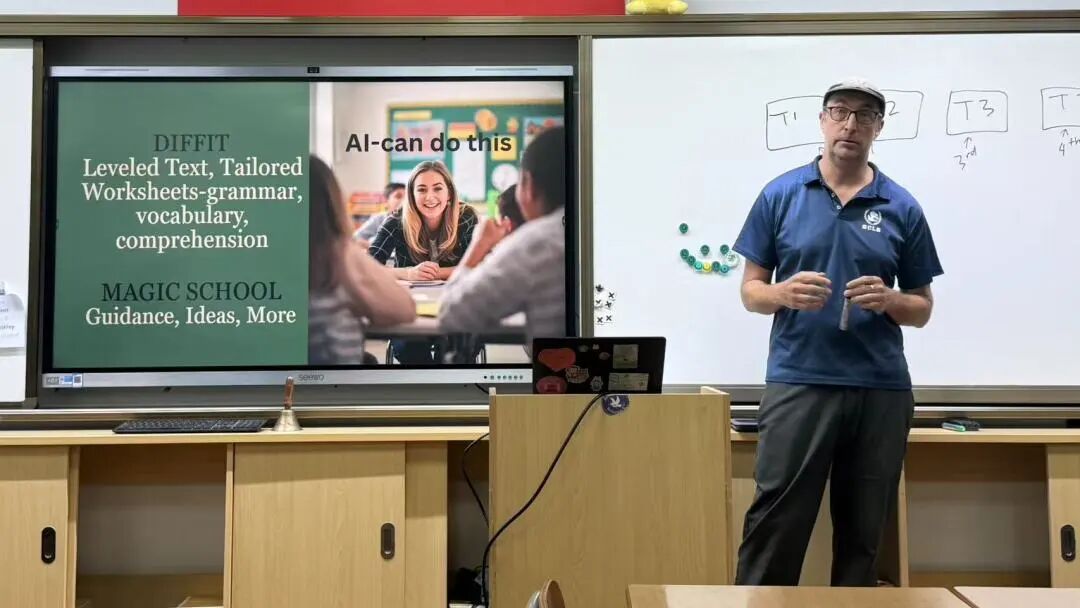
Teachers engaged in subject-level meetings to review Quarter 3 and Quarter 4 units. Teams refined essential understandings, aligned performance tasks, and ensured coherence among standards, assessment, and instruction. Dedicated grade-level planning time enabled teachers to calibrate expectations, adjust pacing, and revise units to strengthen clarity and rigor.


This work reflects the principles of backward design outlined by Wiggins and McTighe (2005). When learning goals, assessments, and instructional strategies are intentionally aligned, students are more likely to develop deep conceptual understanding and transfer their learning meaningfully across contexts.


A key focus of the day was the role of feedback in student achievement. Hattie (2009) identifies feedback as a high-impact practice when it is timely, specific, and aligned with clear success criteria. Teachers examined how feedback can function as an ongoing learning dialogue rather than a final evaluative comment. Effective feedback helps students understand where they are in their learning, where they are going, and what steps will move them forward. Strengthening feedback practices enhances metacognition, self-regulation, and intrinsic motivation.


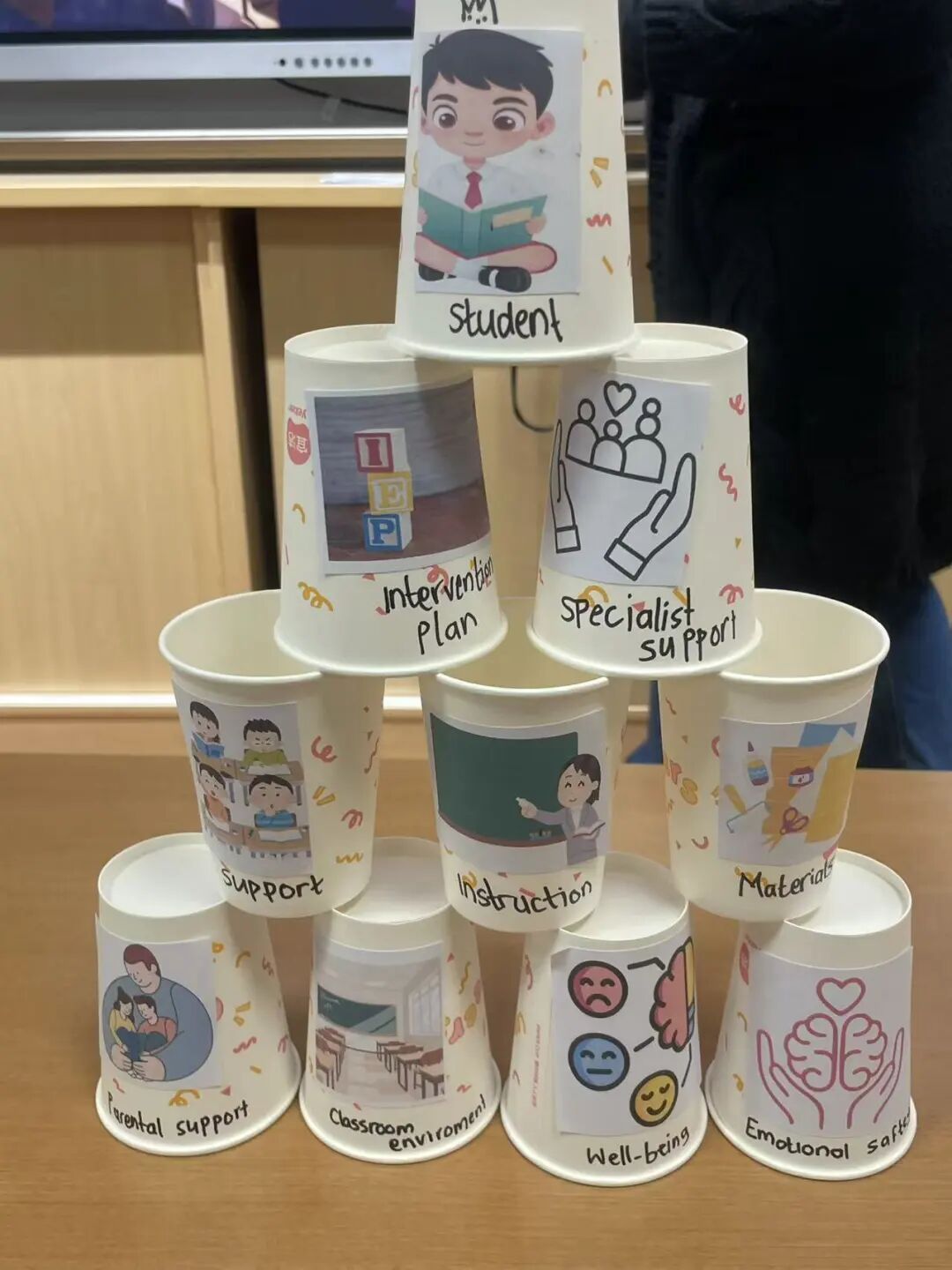
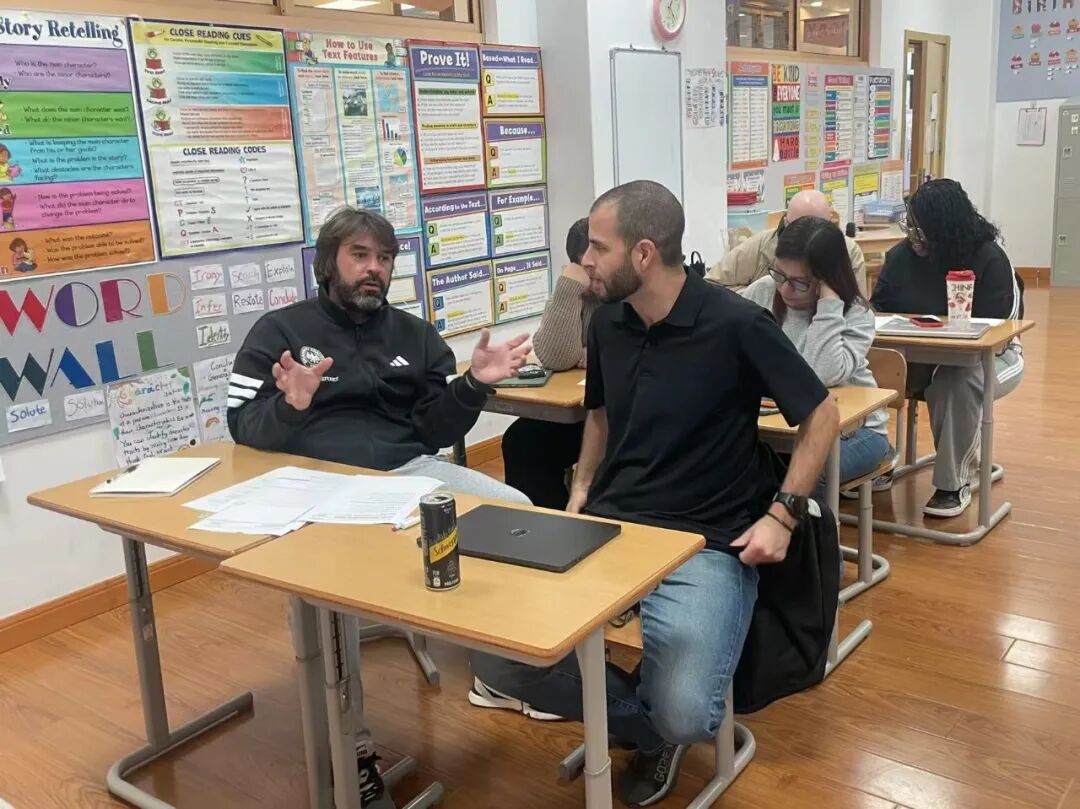
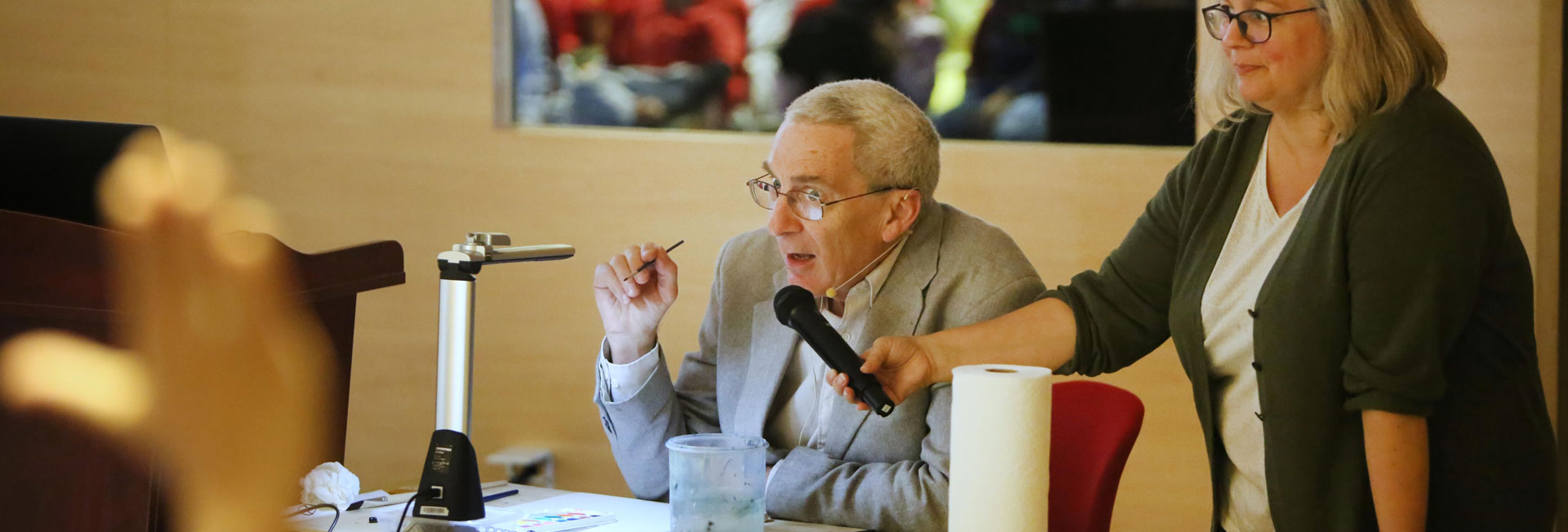
Our Student Support Team delivered differentiated sessions for Upper and Lower Primary teachers focused on strategies to support academic language development and diverse learners. Under the leadership of Fiona Wu, Director of SST, alongside Oisin Leonard, Reyhana Karstens, and Ben Chambers, teachers explored inclusive classroom approaches designed to increase access, engagement, and belonging.


This work drew upon Cummins’ (2000) research on academic language development, which emphasizes the importance of scaffolding while affirming students’ linguistic identities. Teachers also revisited Tomlinson’s (2014) framework for differentiation, emphasizing responsive instruction based on readiness, interest, and learning profile. These strategies strengthen Tier 1 instructional practice and promote equitable access for all learners.


Friday: Reflecting on Teaching and Learning

Friday shifted toward reflection and forward planning. We reviewed both informal and formal observation data alongside trends identified through learning walks. High-performing schools use data not as a compliance measure but as a catalyst for professional reflection and growth. As Fullan (2016) emphasizes, sustainable improvement occurs when educators collectively examine evidence and intentionally build capacity together.


Together, we analyzed:

  • What we are doing well

  • Where observable gaps exist

  • Priority areas for development in Semester 2


Grade-level teams celebrated strengths and identified one focused instructional goal informed by current data. This process aligns with research on collective efficacy: when teams share responsibility, establish common goals, and monitor their impact, student achievement improves (Hattie, 2009).


Strengthening Our Professional Learning Communities

Our Professional Learning Communities (PLCs) remain central to sustained school improvement. DuFour et al. (2010) emphasize that effective PLCs are inquiry-driven, collaborative, and focused on measurable impact on student learning.


This year’s PLC focus areas include:

Area 1: Classroom Management and Time Management

Area 2: Cross-Curricular Integration and Educational Technology Accessibility

Area 3: Well-being and Social-Emotional Learning

Area 4: Communication, Collaboration, and Cultural Inclusivity

Area 5: Adaptive Instructional Strategies and Differentiation


These areas reflect current best practices in building inclusive, culturally responsive, and academically rigorous classrooms. Our next PLC meeting on March 27 will require teams to present evidence of implementation and demonstrated impact on student learning. This emphasis on measurable outcomes ensures that professional learning translates into meaningful classroom transformation.


Behavior Support and the Zones of Regulation

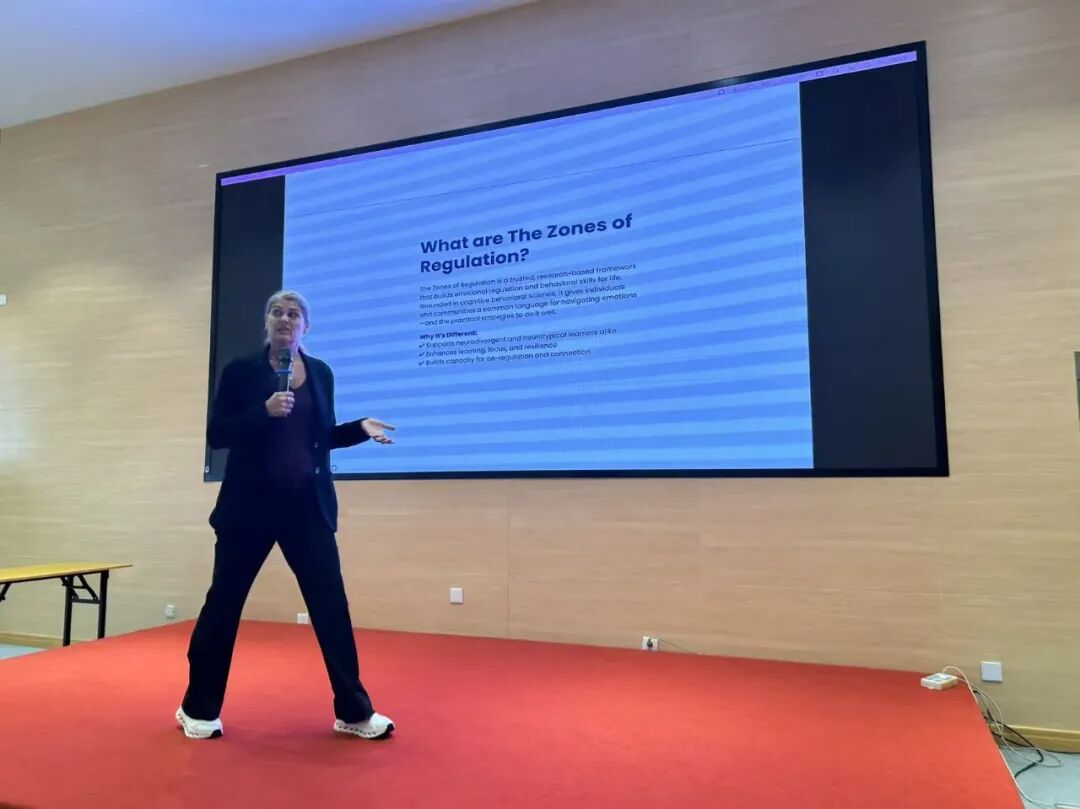
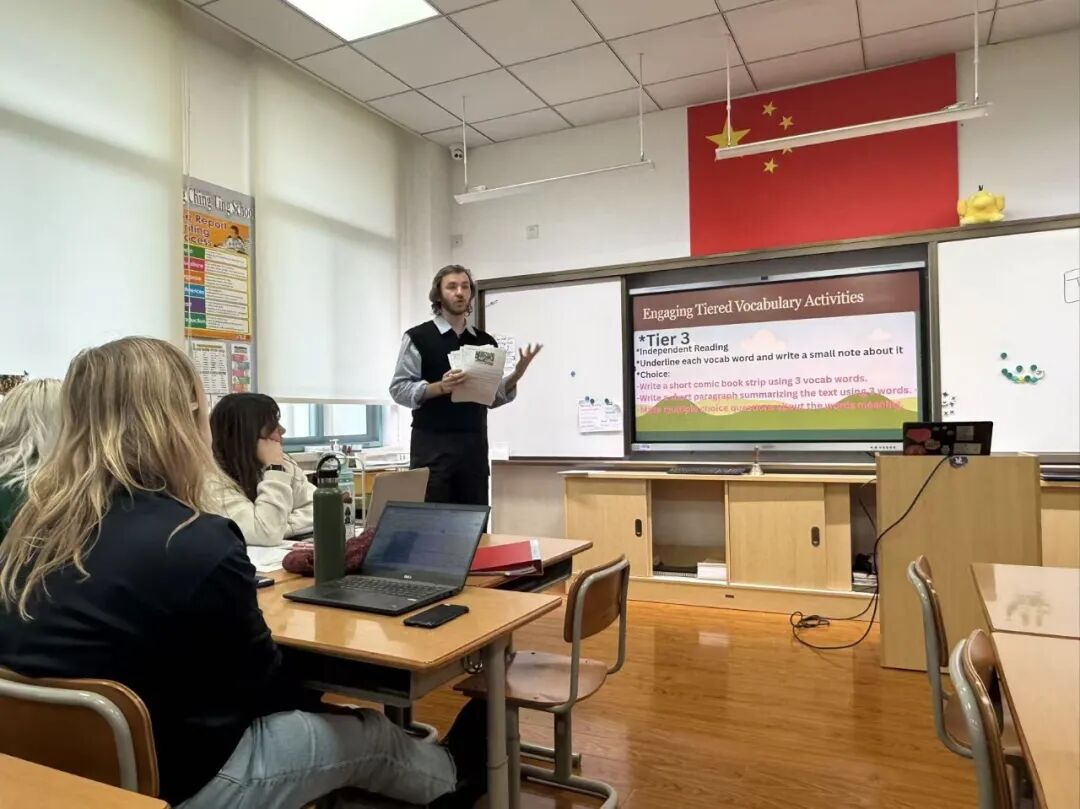
We concluded our two days with a behavior support session led by Grade 4 teacher Natalia Chambers, who introduced the Zones of Regulation framework. This structured approach provides students with a shared language for identifying emotions and developing self-regulation strategies.


Research in social-emotional learning indicates that when students strengthen emotional literacy and regulation skills, academic achievement improves alongside overall well-being. Integrating social-emotional learning into daily instruction reinforces both academic success and holistic development.


A Culture of Continuous Improvement

Across both days, what stood out most was the spirit of collaboration and shared purpose. These were not isolated workshops, but interconnected professional learning experiences designed to:

  • Strengthen curriculum coherence

  • Deepen inclusive practices

  • Embed meaningful feedback cycles

  • Use data to guide instructional decisions

  • Build collective teacher efficacy


Our Professional Development Days reflected who we are as a learning community—educators committed to refining practice, supporting one another, and ensuring that every student experiences growth, belonging, and success.


As we begin Semester 2, we do so with clarity, shared goals, and renewed energy. Continuous professional learning is not an event but a mindset. Together, we are building the collective capacity that ensures our students flourish academically, socially, and emotionally.


By Dr. Natalie J. Pitre

Principal, PSID


References

Cummins, J. (2000). Language, power, and pedagogy: Bilingual children in the crossfire. Multilingual Matters.

DuFour, R., DuFour, R., Eaker, R., & Many, T. (2010). Learning by doing: A handbook for professional learning communities at work (2nd ed.). Solution Tree Press.

Fullan, M. (2016). The new meaning of educational change (5th ed.). Teachers College Press.

Hattie, J. (2009). Visible learning: A synthesis of over 800 meta-analyses relating to achievement. Routledge.

Tomlinson, C. A. (2014). The differentiated classroom: Responding to the needs of all learners (2nd ed.). ASCD.
Wiggins, G., & McTighe, J. (2005). Understanding by design (2nd ed.). ASCD.